
Book List
Curriculum
Technology Support
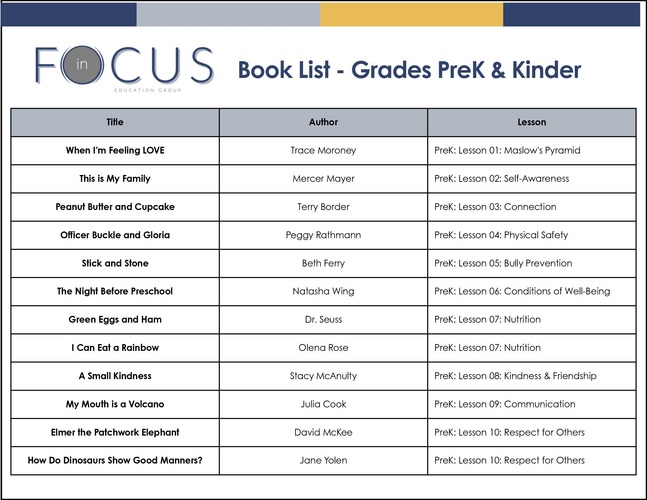
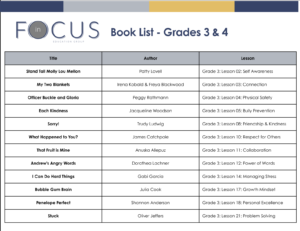
We have compiled a book list for each grade level that lists books used in read-alouds, as well as which lesson the book is used in. For more information about the research behind using children’s literature, see the “Why We Use Children’s Literature” article.
Why include read-alouds in well-being lessons?
Research shows the importance of read-alouds in school, not just to increase literacy skills, but to introduce and reinforce important concepts, including well-being concepts. Benefits of read-alouds include:
- Building classroom community through collaboration facilitated by read-alouds.
- Strengthening listening comprehension.
- Developing background knowledge.
- Expanding vocabulary.
- Understanding language structures.
- Improving fluency.
- Facilitating discussions about plot, tone, figurative language, and character development.
- Modeling positive reading behaviors.
- Exposing students to beautiful language and literature.
- Guiding students toward higher-level thinking.
- Creating a safe entry point into topics, including SEL topics.
- Allowing students to see themselves in stories in safe and accessible ways.
(Adapted from Edutopia)
How is the book list organized?
Books used in each grade level are listed sequentially in the order they appear in lessons.
How are read-alouds used in In Focus lessons?
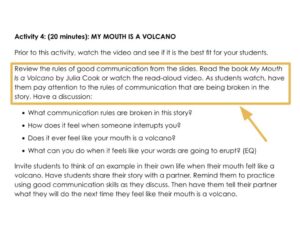
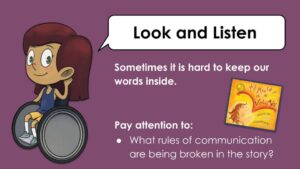
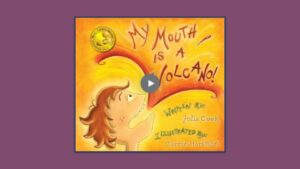
Each In Focus lesson includes a variety of engaging activities that address the lesson topic. Read-alouds are one type of activity that you will find throughout our lessons. Any time a read-aloud is mentioned in a lesson text, the slides that correspond to that activity will have the read-aloud video embedded, along with an introduction slide prior to the read-aloud and a discussion/action slide following the read-aloud video.
What grade levels include read-aloud books?
While we most heavily utilize read-alouds in our younger elementary grades (PreK–2nd), you will find read-alouds across every grade level (PreK–HS).
How can this resource be used?
We have included the book list as a way for educators to quickly view any books used in our lessons. This can be used to obtain approval if needed, as a way to find books that pertain to various well-being topics, and as a list of physical books to gather for your library or media center (although virtual read-alouds are included any time a read-aloud book is mentioned). Feel free to refer to any grade level’s book list to find books related to a variety of well-being topics.
References:
- Boryga, A. (October 18, 2024). How to Make Read-Alouds Fun and Effective for All Ages. Edutopia.
- Savas, V. (September 20, 2023). Using Read-Alouds to Support Social and Emotional Learning. Edutopia.